Turtle Sand: A Handwritten Font for Modern Web and Digital Design
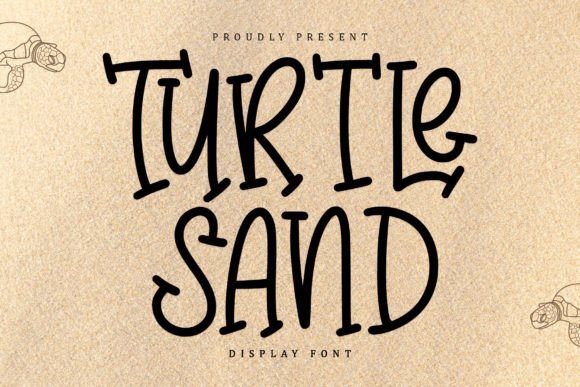
Turtle Sand is a distinctive handwritten font designed to bring warmth, personality, and creative flair to digital projects. As a web designer or UI creator, choosing the right typeface can define the tone of a website, landing page, or brand experience. Turtle Sand stands out as a Script Amp font that balances artistic expression with digital usability, making it ideal for headers, logos, and visual accents across websites, online stores, and mobile interfaces.
Understanding Turtle Sand’s Style and Digital Appeal
Turtle Sand features a clean yet expressive handwritten style, with soft curves and a slightly bouncy rhythm that gives it a friendly, approachable character. It’s not overly stylized, which helps maintain readability while still delivering a strong visual identity. The font works especially well in digital environments where a human touch is desired—think creative portfolios, boutique brands, and personal coaching websites.
Unlike some decorative fonts that can overwhelm or distract, Turtle Sand is intentionally restrained. It avoids excessive ligatures or swashes that might complicate screen rendering, making it more versatile for responsive web layouts. This balance between style and function makes it a go-to choice for designers looking to inject personality without sacrificing usability.
How Turtle Sand Enhances Web Layouts and Brand Identity
In modern web design, typography plays a critical role in shaping user experience and brand perception. Turtle Sand contributes to a cohesive visual hierarchy by serving as a strong focal point in hero sections, navigation logos, and call-to-action buttons. Its unique character helps establish a memorable brand tone—especially for creative entrepreneurs, lifestyle brands, and digital product creators.
- Use Turtle Sand in hero headers to immediately set a warm, inviting tone
- Apply it to logo text for a handcrafted brand identity
- Pair it with clean sans serif fonts for contrast in landing page layouts
- Highlight testimonials, quotes, or feature titles for visual emphasis
- Design social media graphics and blog headers with a consistent typographic voice
Practical Applications Across Digital Platforms
Whether you're designing a SaaS landing page or a Shopify store for a handmade brand, Turtle Sand adapts well to a variety of use cases. Here are some practical implementations:
- Creative Portfolios: Use Turtle Sand in section headings and project titles to give your work a personal, handcrafted feel
- Boutique Online Stores: Apply it to product names, promotional banners, and packaging-inspired web elements for a curated shopping experience
- Coaching and Course Websites: Build trust and warmth by featuring Turtle Sand in testimonials, course titles, and welcome messages
- Blog Headers and Social Graphics: Maintain a consistent visual identity across content platforms with Turtle Sand as your branded headline font
- Mobile App Screens: Utilize the font in app logos, onboarding headers, or feature highlights to create a cohesive UI experience
Readability Considerations for Responsive Web Design
While Turtle Sand shines as a decorative display font, its effectiveness depends on thoughtful implementation. For best results:
- Use it at larger sizes for headlines, hero text, and logo treatments
- Avoid using it for long body copy—pair it with a legible sans serif or serif font instead
- Ensure sufficient contrast when placing Turtle Sand over images or dark/light backgrounds
- Test font rendering on mobile devices to maintain clarity at smaller sizes, especially for buttons or navigation labels
- Consider letter spacing and line height adjustments to improve readability in tight layouts
Font Pairing Strategies for Web Design
One of the most effective ways to use Turtle Sand is in combination with a simpler, more neutral typeface. For example:
- Pair Turtle Sand with Montserrat, Open Sans, or Lato for a modern, clean layout
- Use it alongside a serif font like Merriweather or Playfair Display for editorial-style websites
- Combine it with a geometric sans serif for a balanced contrast between organic and structured typography
These pairings help maintain visual rhythm while allowing Turtle Sand to stand out as the expressive centerpiece of your design.
Technical and Licensing Notes for Web Designers
When integrating Turtle Sand into a website or digital product, it’s important to consider technical and licensing aspects. Make sure the font package includes:
- Webfont formats (WOFF, WOFF2) for optimal browser compatibility
- Multiple weights and styles if available (though Turtle Sand may be a single-style font)
- Alternate characters or ligatures if needed for custom design touches
- Multilingual support for international branding or global audiences
For commercial use—especially in client websites, online stores, or downloadable templates—verify that the font license permits such usage. Many premium fonts offer desktop and webfont licenses separately, so ensure you have the appropriate permissions to host the font files on live websites.
Final Thoughts on Turtle Sand in Digital Design
Turtle Sand is more than just a decorative script font—it's a strategic design asset that supports branding, readability, and user engagement when used thoughtfully. Whether you're building a personal blog, a product landing page, or a portfolio site, Turtle Sand adds a human touch that resonates with audiences. Its versatility across digital formats, paired with a clean, approachable style, makes it a valuable addition to any web designer’s toolkit.