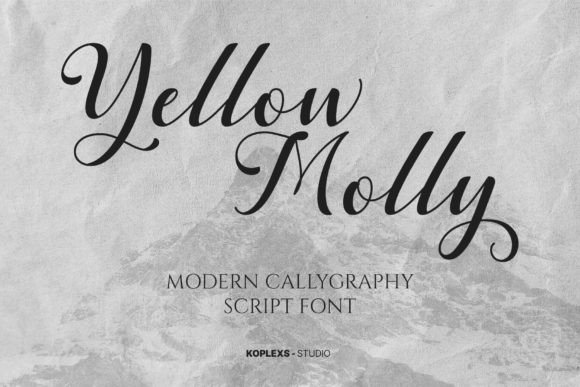
Yellow Molly: A Luxurious Handwritten Font for Makers and Creative Sellers
Designing with Yellow Molly: A Candle Label That Stands Out
As I sat at my desk preparing new candle labels for an upcoming seasonal launch, I knew I needed a font that felt both elegant and approachable. That’s when I discovered Yellow Molly—a light, luxurious handwritten font that brought a soft yet striking presence to my label mockup. The gentle curves and organic flow gave my candle brand a fresh, artisanal feel without sacrificing professionalism. It was exactly what my product line needed to stand out in a crowded market.
What Makes Yellow Molly Unique?
Yellow Molly falls under the Script Amp category, offering a unique blend of whimsy and sophistication. It’s a handwritten font that feels personal and expressive, yet refined enough for high-end branding. The strokes vary subtly in weight, and the baseline dances just enough to feel organic, not forced. It’s the kind of font you’d expect to see on boutique packaging, wedding invitations, or a beautifully printed quote poster.
What truly sets it apart is its ability to feel both modern and timeless. It carries a touch of nostalgia without being outdated, making it versatile for a variety of handmade and digital products. Whether used for a name on a gift tag or a title on a printable planner page, Yellow Molly adds a touch of luxury that elevates the overall design.
Real-World Uses for Yellow Molly
I first used Yellow Molly on candle labels, but its appeal quickly led me to incorporate it into other areas of my shop. Here are some of the ways I’ve used it successfully:
- Wedding invitations: Paired with a clean serif font, Yellow Molly adds a romantic, hand-lettered feel to invitation suites.
- Product tags: For my handmade soap line, I used it on small kraft paper tags. The font scaled beautifully, even at small sizes.
- Digital wall art: I created a “Welcome to Our Farmhouse” sign using Yellow Molly as the main text. The organic strokes complemented the rustic aesthetic perfectly.
- Seasonal stickers: During the holidays, I designed a set of gift tags and address labels with Yellow Molly. Its lightness kept the designs from feeling too heavy or cluttered.
It’s also perfect for planner pages, mug decals, shirt designs, and social media graphics. Because of its elegant but casual vibe, it works across both digital and print mediums with ease.
Choosing the Right Applications
Yellow Molly shines best in display use—think titles, names, and short phrases. While it’s readable in slightly longer text blocks, it’s best reserved for decorative or accent use. This is especially important when designing for physical products like stickers or printed cards, where clarity and legibility matter.
For example, I used it effectively on a sticker sheet for a planner brand, but only for small headers and decorative elements. The body text was set in a clean sans serif to ensure readability. Similarly, on candle labels, I used Yellow Molly for the scent name and a secondary font for the description.
Pairing Yellow Molly with Other Fonts
One of the joys of working with a unique script font like Yellow Molly is how easily it pairs with other typefaces. I often combine it with:
- Simple sans serif fonts: Great for contrast and modernity. Try it with Montserrat or Lato for a clean, contemporary look.
- Classic serif fonts: Adds a touch of elegance when used in wedding stationery or formal invitations.
- Bold display fonts: For a playful yet balanced design, I sometimes use a bold sans or block letter underneath Yellow Molly’s delicate script.
These combinations help maintain visual hierarchy while keeping the design cohesive. Yellow Molly becomes the star of the show, while supporting fonts provide structure and readability.
Readability and Practical Design Tips
When using Yellow Molly for physical products like stickers or labels, it’s important to test readability at actual print sizes. I always create a small proof print before going into full production. This is especially important for cutting machines like Cricut or Silhouette, where font thickness can affect how cleanly the text cuts.
For digital use, I recommend previewing how Yellow Molly looks on different screen sizes. It renders beautifully on high-res displays, but may need slight adjustments when used in web design or mobile graphics.
Font Features and Licensing
Before using Yellow Molly in commercial products, I made sure to check the included features and licensing terms. It comes with a variety of alternates, ligatures, and swashes, which allowed me to customize the look for different designs. The font also supports multiple languages and includes both OTF and TTF formats, making it compatible with most design software and cutting machines.
The commercial license was a big plus. I could confidently use it in my printables, SVG designs, and product packaging without worrying about usage restrictions. Always double-check the font’s license before selling anything that includes it—this applies to digital downloads, physical merchandise, and even social media templates.
Branding and Emotional Appeal
Using Yellow Molly in my shop materials has had a noticeable effect on how customers perceive my brand. The font’s softness and elegance create a warm, inviting impression. It feels personal, like a handwritten note from a friend. That emotional connection is powerful, especially in the handmade and creative marketplaces where authenticity matters.
Consistently using Yellow Molly across product tags, packaging, and digital previews has helped build brand recognition. Customers now associate that soft, flowing script with my product line—whether it’s on a candle jar or a downloadable quote poster.